
Satin
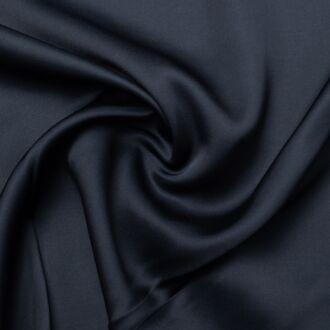
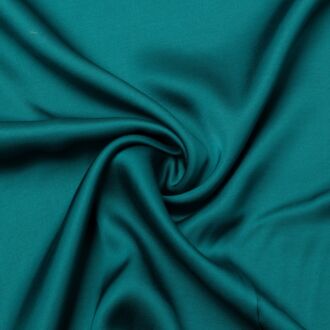
Satin is a particularly smooth-looking, slightly shiny fabric with a beautiful drape - a classic choice when it comes to elegant clothing or fine accessories. Whether you use satin for an evening dress, a blouse, lingerie or an elegant lining: The surface and soft feel make it an eye-catcher in many sewing projects.
What is satin suitable for?
Satin is suitable for projects that require shine and flowing movements. Typical areas of application are:
- dresses and skirts with beautiful drape,
- fine blouses and tops,
- lingerie and nightwear,
- scarves, shawls and hair bows,
- linings for coats and jackets as well as decorative details.
Processing tips for amateur seamstresses
Satin can be slippery and needs some care when cutting and sewing. Some practical tips:
- Cut on a smooth surface with sharp scissors or rotary cutters; fix layers of fabric with pins or fine weights.
- Use a fine needle (e.g. size 70-80) and thin sewing thread to reduce visible stitches.
- Lower sewing speed and short stitches give cleaner sewing; overlocker or zigzag can prevent fraying.
- French seams or narrow serging produce particularly clean inner edges on light satins.
- When ironing, use a low temperature and a cloth to protect shiny areas.
Buying advice - what to look out for when buying satin
When buying satin, it is worth taking a look at the material and weight: viscose satin is usually soft and breathable, synthetic variants are often easier to care for. Pay attention to density, transparency and the desired drape. If you are unsure, a feel test in the store or ordering a small test piece will help. At your Stoffschwester, we will be happy to advise you on the right choice and suitable needles, zippers and interlinings.
With a little practice, satin can be worked beautifully and gives your sewing projects a high-quality, elegant touch. Have fun sewing!